This post is also available in:
 Français
  Русский
Makha Bucha: A Special Buddhist Celebration in Thailand
Makha Bucha, also known as Magha Puja, is one of the most significant Buddhist festivals celebrated in Thailand and many other countries with strong Buddhist traditions. This sacred day holds great importance for followers of Buddhism, as it commemorates pivotal events in the life of the Buddha.
Historical Significance
Makha Bucha occurs on the full moon day of the third lunar month, typically falling between late February and early March. The day marks two important events in Buddhist history. Firstly, it celebrates the gathering of 1,250 enlightened monks, who were spontaneously assembled by the Buddha in Veluvana, near Benares, to hear His teachings. Secondly, it commemorates the Buddha’s sermon on the significance of the “Ovada Patimokkha,” which includes the core ethical teachings that form the foundation of Buddhist practice.

During this sermon, the Buddha emphasized the essence of the teachings by summarizing his doctrine into three parts:
- Abstain from all evil : This encourages individuals to avoid harmful actions and behaviors.
- Do only good : This reflects the importance of performing right actions and acts of kindness.
- Purify the mind : Central to Buddhism, this principle highlights the necessity of mental clarity and awareness.
Celebrations and Observances
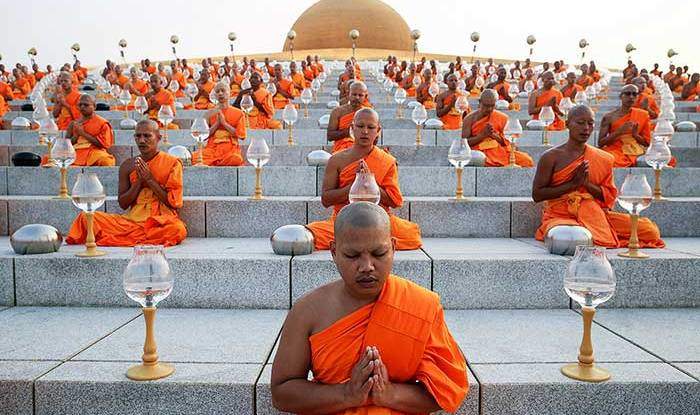
In Thailand, Makha Bucha is a public holiday, and it is observed with great reverence. Many Thai Buddhists take the day to visit temples (wats), where they engage in various religious activities, including:
- Candlelight Processions : In the evening, devotees participate in candlelight processions around the temple, symbolizing illumination and guidance. This ritual often involves holding candles and incense while walking around the main ordination hall.
- Meditation and Chanting : Many individuals partake in meditation sessions and chant Buddhist scriptures to deepen their spiritual practice.
- Offerings and Merit-Making : Worshippers bring offerings of food, flowers, and other items to the monks in the temple. This act of giving, or ‘dana’, is considered a way to earn merit and cultivate generosity.
- Abstaining from Evils : As a core part of the celebration, many people take the opportunity to reflect on their actions, commit to ethical living, and resolve to abstain from negative behaviors.
Cultural Impact
Makha Bucha reflects the deep-rooted relationship between Thai culture and Buddhism. It serves not only as a spiritual observance but also as an opportunity for communal gathering among families and friends. Many people use this time to reconnect with their spiritual roots and contemplate their lives.
Moreover, the festival attracts tourists who are keen to understand the richness of Thai culture and the significance of Buddhism in everyday life. Temples across the country can be bustling with activity, showcasing traditional practices and offering insights into the serene yet vibrant facets of Thai spiritual culture.
Makha Bucha is more than just a day marked on the calendar. It is a profound moment for reflection, ethical commitment, and communal bonding among Buddhist practitioners. As the full moon rises, illuminating the night sky, it serves as a reminder of the teachings of the Buddha and the importance of living a life of virtue, mindfulness, and compassion. For both locals and visitors, it remains a memorable and enriching experience that highlights the essence of Thai spirituality and culture.