
Blog
frenru

Khao Phansa: Thailand’s Buddhist Lent

Khao Phansa

Khao Phansa: Thailand’s Buddhist Lent

July 11, 2025, marks a significant public holiday in Thailand. This full moon day celebrates Asanha Bucha, followed by Khao Phansa, the start of Buddhist Lent, on July 12th. It’s the perfect time for travelers to witness vibrant traditional ceremonies across the country, such as Tak Bat Dok Mai in Saraburi and the Candle Festival in Ubon Ratchathani.

Asanha Bucha (July 11, 2025):

This festival, along with Macha Bucha and Visakha Bucha, holds immense importance in the Buddhist calendar. It commemorates the Buddha’s first sermon to his five initial disciples in the deer park at Sarnath, near Varanasi, India.

Khao Phansa (July 12, 2025):

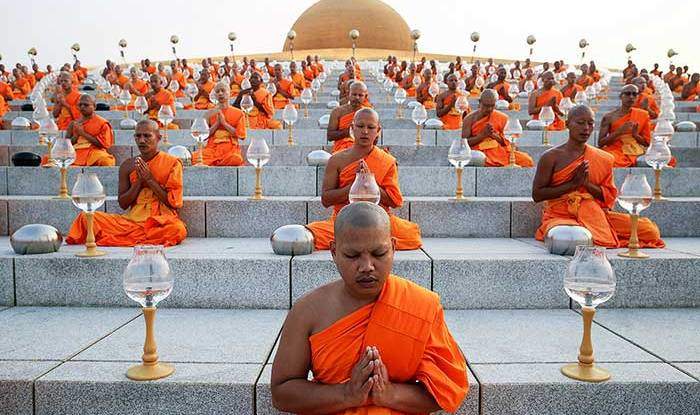
Khao Phansa marks the beginning of Buddhist Lent, coinciding with the monsoon season. During this three-month period, monks retreat to their temples, as travel for alms becomes challenging. They dedicate themselves to studying, meditating, and adhering to stricter rules than usual.

This period also sees many young Thai men entering monasteries for temporary ordination, leading to numerous ordination ceremonies across the country.

Buddhist Lent concludes on the full moon day of October, known as Auk Phansa (“auk” meaning “to exit” and “khao” meaning “to enter”).

Tak Bat Dok Mai

Offering Flowers of Khao Phansa

During Khao Phansa, devotees bring offerings of food, candles, incense, and other sacred objects to temples to make merit.

In Saraburi, about 100 kilometers from Bangkok, a unique ritual takes place called Tak Bat Dok Mai. People offer specific flowers known as “Dok Khao Phansa” (Khao Phansa flowers), which bloom only during this period.

The ceremony is held at Wat Phra Buddhabat Woramahaviharn, the temple of the sacred footprint, in the Phra Buddhabat district of Saraburi. It’s worth noting that alcohol sales are generally prohibited during these festivities.

The Candle Festival of Ubon Ratchathani

Every year, Ubon Ratchathani province marks the beginning of Buddhist Lent with luminous processions of giant candles. These intricate wax sculptures, true works of art, are offered to the Buddha and his disciples.

This unique festival aims to preserve Buddhist traditions by involving local communities. Monks and artists, both lay and ordained, sculpt and mold unique and magnificent candles. These offerings symbolize respect for the Buddha, monks, parents, and ancestors.

Among the most impressive candles are the “Mondop”, with a square base and a pyramidal roof, which are used as receptacles for offerings and are not lit. The “Poom” and “Mat Ruam” candles are meant to be lit and help accumulate merit.

Earning Merit for Reincarnation

According to Buddhist teachings, every action has karmic consequences. Supporting Buddhism is believed to be the best way to accumulate merit for one’s next life. Offering food, donations, or material support to monks helps generate this merit. Offering candles during Khao Phansa is considered both a spiritually and practically virtuous act.

Additional Information:

Khao Phansa is also celebrated in other Buddhist countries, often referred to as Vassa or the Rains Retreat. This ancient tradition offers monks a period of intense spiritual reflection and allows lay Buddhists to renew their commitment to Buddhist principles.

https://www.franco-media.com/en/villas-houses-condominiums-apartment-for-rent-phuket-accommodation/

 

Visakha Bucha Day

Visakha Bucha

Visakha Bucha Day

Marking the Triple Blessing: Celebrating Visakha Bucha Day on May 11, 2025

On Sunday, May 11, 2025, Buddhists around the world will celebrate Visakha Bucha Day, a sacred observance honoring the life, enlightenment, and passing of Gautama Buddha. Often referred to as Buddha Day or Wesak, this auspicious occasion serves as a powerful reminder of the Buddha’s teachings and their enduring impact on humanity.

A Day of Profound Significance

Visakha Bucha Day commemorates three significant events in the Buddha’s life, all of which are believed to have occurred on the full moon of the sixth lunar month:

  • Birth: The birth of Siddhartha Gautama, the prince who would later become the Buddha, in Lumbini, Nepal.
  • Enlightenment: Siddhartha’s attainment of enlightenment under the Bodhi tree at Bodh Gaya, India, where he became the Buddha, the “Awakened One.”
  • Parinirvana: The Buddha’s passing into final Nirvana at Kushinagar, India, achieving complete liberation from the cycle of birth and death.

Observances and Reflections:

Traditionally observed with reverence and joyous celebration, Visakha Bucha Day invites reflection on the Buddha’s teachings of compassion, non-violence, and the path to enlightenment. Common practices on this holy day include:

  • Visiting temples and monasteries: Devotees gather to offer prayers, light incense, and listen to Dharma talks given by monks and nuns.
  • Making offerings: Flowers, candles, and food are offered to the Buddha as symbols of respect and gratitude.
  • Practicing meditation: Time is dedicated to quiet reflection and meditation, seeking inner peace and cultivating mindfulness.
  • Acts of kindness and generosity: Visakha Bucha Day inspires acts of compassion, such as giving alms to monks, releasing caged animals (symbolizing liberation from suffering), and engaging in charitable activities.

Beyond Religious Boundaries:

While primarily observed by Buddhists, Visakha Bucha Day carries a universal message of peace, compassion, and the pursuit of wisdom. Regardless of one’s faith, the teachings of the Buddha offer valuable guidance for living a more fulfilling and meaningful life.

On May 11th, 2025, take a moment to reflect on the Buddha’s timeless message of compassion, understanding, and inner peace. Whether through acts of kindness, quiet contemplation, or simply learning more about Buddhism, everyone can find a meaningful way to connect with the spirit of Visakha Bucha Day.

You are here: Home » Bouddha

Makha Bucha

La Fête de Makha Bucha

Makha Bucha: A Special Buddhist Celebration in Thailand

Makha Bucha, also known as Magha Puja, is one of the most significant Buddhist festivals celebrated in Thailand and many other countries with strong Buddhist traditions. This sacred day holds great importance for followers of Buddhism, as it commemorates pivotal events in the life of the Buddha.

Historical Significance

Makha Bucha occurs on the full moon day of the third lunar month, typically falling between late February and early March. The day marks two important events in Buddhist history. Firstly, it celebrates the gathering of 1,250 enlightened monks, who were spontaneously assembled by the Buddha in Veluvana, near Benares, to hear His teachings. Secondly, it commemorates the Buddha’s sermon on the significance of the “Ovada Patimokkha,” which includes the core ethical teachings that form the foundation of Buddhist practice.

During this sermon, the Buddha emphasized the essence of the teachings by summarizing his doctrine into three parts:
  1. Abstain from all evil : This encourages individuals to avoid harmful actions and behaviors.
  2. Do only good : This reflects the importance of performing right actions and acts of kindness.
  3. Purify the mind : Central to Buddhism, this principle highlights the necessity of mental clarity and awareness.

Celebrations and Observances

In Thailand, Makha Bucha is a public holiday, and it is observed with great reverence. Many Thai Buddhists take the day to visit temples (wats), where they engage in various religious activities, including:

  • Candlelight Processions : In the evening, devotees participate in candlelight processions around the temple, symbolizing illumination and guidance. This ritual often involves holding candles and incense while walking around the main ordination hall.
  • Meditation and Chanting : Many individuals partake in meditation sessions and chant Buddhist scriptures to deepen their spiritual practice.
  • Offerings and Merit-Making : Worshippers bring offerings of food, flowers, and other items to the monks in the temple. This act of giving, or ‘dana’, is considered a way to earn merit and cultivate generosity.
  • Abstaining from Evils : As a core part of the celebration, many people take the opportunity to reflect on their actions, commit to ethical living, and resolve to abstain from negative behaviors.

Cultural Impact

Makha Bucha reflects the deep-rooted relationship between Thai culture and Buddhism. It serves not only as a spiritual observance but also as an opportunity for communal gathering among families and friends. Many people use this time to reconnect with their spiritual roots and contemplate their lives.

Moreover, the festival attracts tourists who are keen to understand the richness of Thai culture and the significance of Buddhism in everyday life. Temples across the country can be bustling with activity, showcasing traditional practices and offering insights into the serene yet vibrant facets of Thai spiritual culture.

Makha Bucha is more than just a day marked on the calendar. It is a profound moment for reflection, ethical commitment, and communal bonding among Buddhist practitioners. As the full moon rises, illuminating the night sky, it serves as a reminder of the teachings of the Buddha and the importance of living a life of virtue, mindfulness, and compassion. For both locals and visitors, it remains a memorable and enriching experience that highlights the essence of Thai spirituality and culture.

Songkran in Phuket

Each year, as the tropical winter surrenders to the warmth of spring, Thailand adorns itself in vibrant colors to celebrate Songkran, its traditional New Year. More than just a holiday, Songkran is a sensory and spiritual experience that plunges participants into a wave of ancient traditions and unbridled joy. And it is in Phuket, the jewel of the Andaman Sea, that this celebration reaches its most exhilarating heights …