Khao Phansa: Thailand’s Buddhist Lent
July 11, 2025, marks a significant public holiday in Thailand. This full moon day celebrates Asanha Bucha, followed by Khao Phansa, the start of Buddhist Lent, on July 12th. It’s the perfect time for travelers to witness vibrant traditional ceremonies across the country, such as Tak Bat Dok Mai in Saraburi and the Candle Festival in Ubon Ratchathani.
Asanha Bucha (July 11, 2025):
This festival, along with Macha Bucha and Visakha Bucha, holds immense importance in the Buddhist calendar. It commemorates the Buddha’s first sermon to his five initial disciples in the deer park at Sarnath, near Varanasi, India.
Khao Phansa (July 12, 2025):
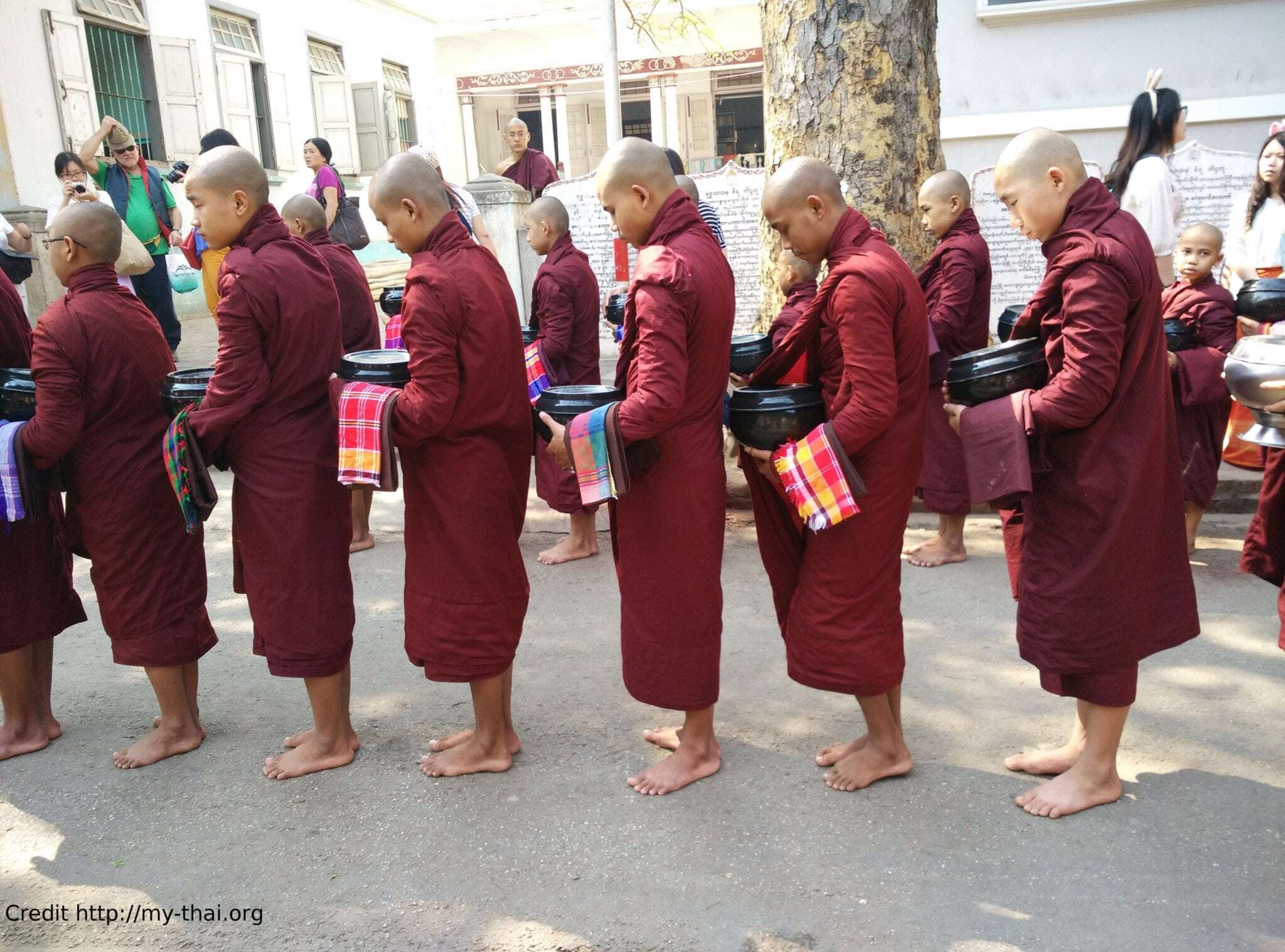
Khao Phansa marks the beginning of Buddhist Lent, coinciding with the monsoon season. During this three-month period, monks retreat to their temples, as travel for alms becomes challenging. They dedicate themselves to studying, meditating, and adhering to stricter rules than usual.
This period also sees many young Thai men entering monasteries for temporary ordination, leading to numerous ordination ceremonies across the country.
Buddhist Lent concludes on the full moon day of October, known as Auk Phansa (“auk” meaning “to exit” and “khao” meaning “to enter”).
Tak Bat Dok Mai
Offering Flowers of Khao Phansa
During Khao Phansa, devotees bring offerings of food, candles, incense, and other sacred objects to temples to make merit.
In Saraburi, about 100 kilometers from Bangkok, a unique ritual takes place called Tak Bat Dok Mai. People offer specific flowers known as “Dok Khao Phansa” (Khao Phansa flowers), which bloom only during this period.
The ceremony is held at Wat Phra Buddhabat Woramahaviharn, the temple of the sacred footprint, in the Phra Buddhabat district of Saraburi. It’s worth noting that alcohol sales are generally prohibited during these festivities.
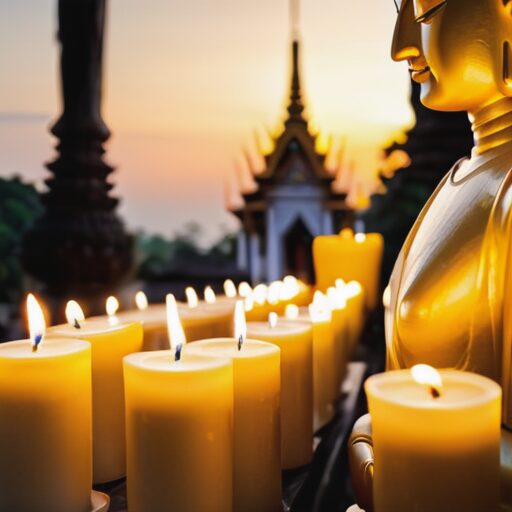
The Candle Festival of Ubon Ratchathani
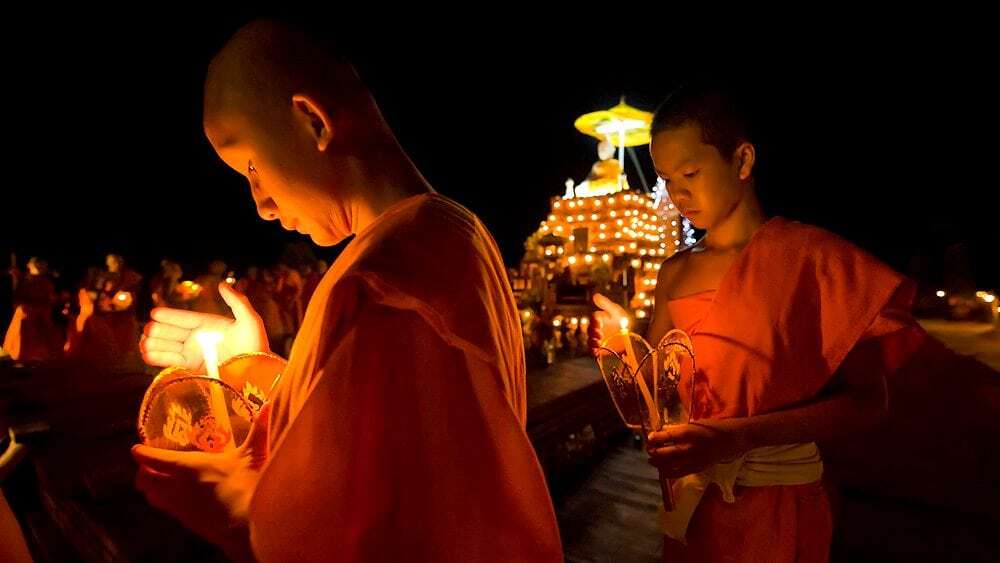
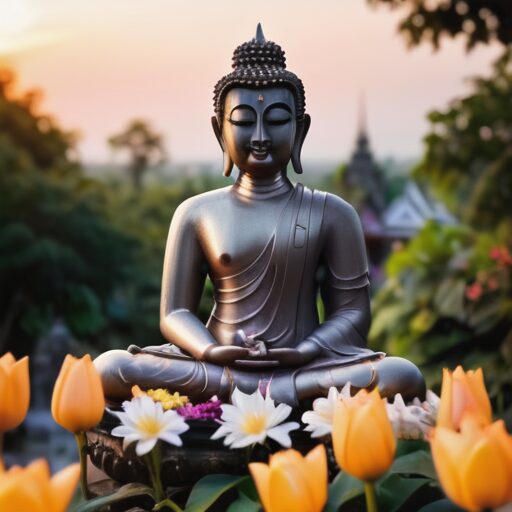
Every year, Ubon Ratchathani province marks the beginning of Buddhist Lent with luminous processions of giant candles. These intricate wax sculptures, true works of art, are offered to the Buddha and his disciples.
This unique festival aims to preserve Buddhist traditions by involving local communities. Monks and artists, both lay and ordained, sculpt and mold unique and magnificent candles. These offerings symbolize respect for the Buddha, monks, parents, and ancestors.
Among the most impressive candles are the “Mondop”, with a square base and a pyramidal roof, which are used as receptacles for offerings and are not lit. The “Poom” and “Mat Ruam” candles are meant to be lit and help accumulate merit.
Earning Merit for Reincarnation
According to Buddhist teachings, every action has karmic consequences. Supporting Buddhism is believed to be the best way to accumulate merit for one’s next life. Offering food, donations, or material support to monks helps generate this merit. Offering candles during Khao Phansa is considered both a spiritually and practically virtuous act.
Additional Information:
Khao Phansa is also celebrated in other Buddhist countries, often referred to as Vassa or the Rains Retreat. This ancient tradition offers monks a period of intense spiritual reflection and allows lay Buddhists to renew their commitment to Buddhist principles.

https://www.franco-media.com/en/villas-houses-condominiums-apartment-for-rent-phuket-accommodation/