Dental Erosion:
Why Teeth Wear Down, and What a Dentist Can Do
A Patong dentist answers the questions locals actually ask about worn enamel and sudden tooth sensitivity

Cold water that suddenly stings. A tooth that looks a little shorter than it used to. Dental erosion in Patong rarely announces itself with pain at first, it just wears a little more enamel away each year until something finally feels different. Dentcare Clinic’s dentists in Patong answer the questions patients bring in most often about worn, sensitive teeth, in plain terms.
What is dental erosion, and how is it different from a cavity?
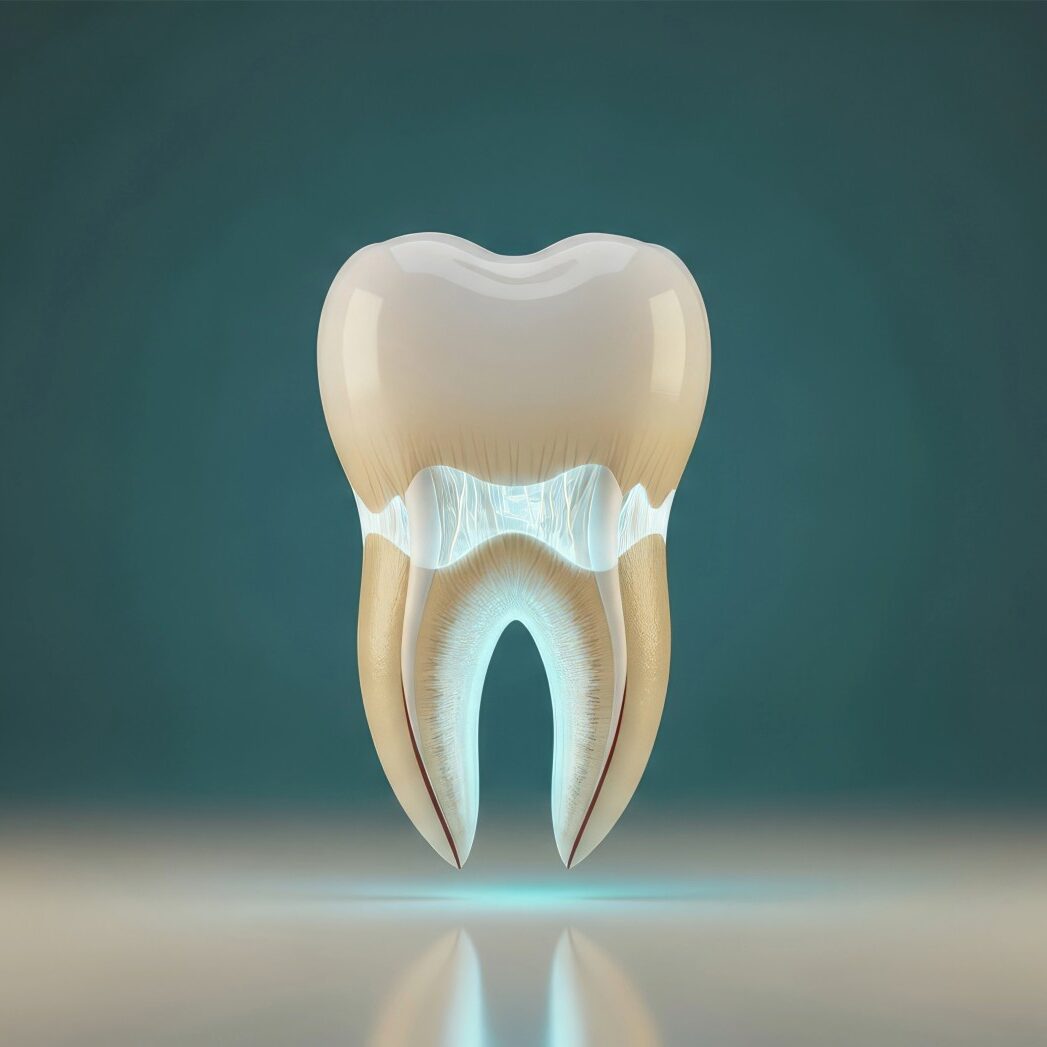
A cavity is bacteria eating through enamel from the outside in, usually in one spot. Dental erosion is broader than that. It is acid, not bacteria, softening and thinning enamel across a whole tooth or several teeth at once, most often near the gumline where enamel is thinnest to begin with. Dentists call this cervical wear. The result looks less like a hole and more like a smooth, sometimes yellowish dip where the tooth meets the gum.
Why does cold water suddenly make my teeth hurt?
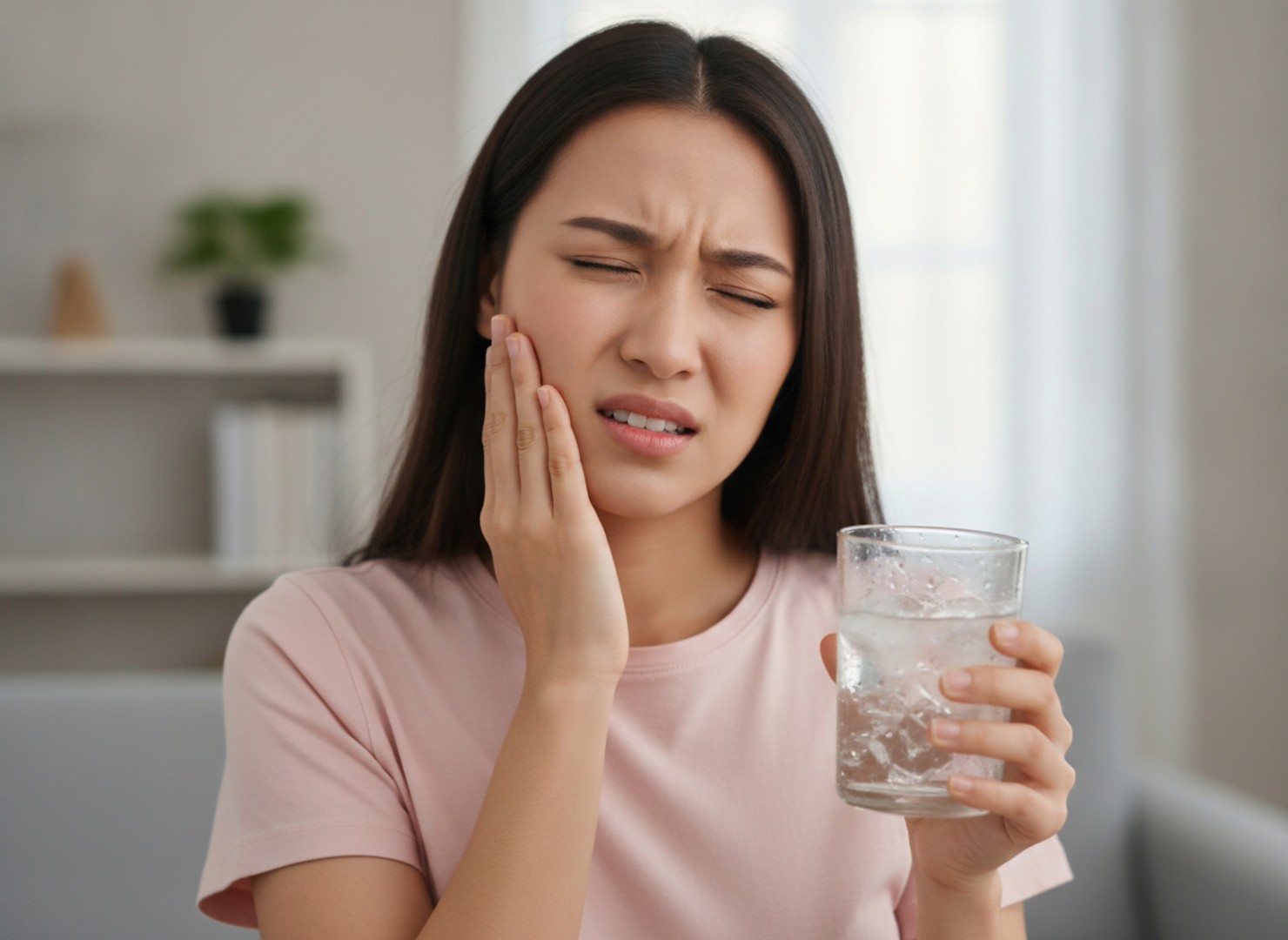
This is one of the most common questions Dentcare hears, and it rarely has a single cause. Worn enamel near the gumline, gum recession that exposes the tooth’s root surface, and early decay can all produce the same sharp jolt from something cold. A dentist needs to look before assuming which one is responsible, because the fix is different for each. For erosion specifically, Dentcare’s dentists typically start with a strong fluoride application in the chair, sometimes alongside a change in toothpaste, before considering anything more involved.
What actually wears enamel down?
Acid is the common thread. Soda, wine, citrus fruit and sports drinks all lower the mouth’s pH for a while after each sip or bite, and frequent small exposures do more damage than one large meal, because enamel never gets time to recover between attacks. Brushing hard, particularly right after something acidic, adds mechanical wear on top of the chemical kind.
Reflux and frequent vomiting are recognised medical causes of erosion too, since stomach acid is far stronger than anything in a glass. That side of it is a question for a doctor as much as a dentist.

Why does a tooth still feel sensitive after a filling?
A filling does not always end sensitivity right away. The nerve inside a treated tooth stays irritated for one to two weeks afterward in most cases, and cold or pressure can still cause a brief twinge during that window. That is normal healing, not a failed filling. If the sensitivity has not eased after two weeks, or gets worse rather than better, Dentcare’s dentists recommend coming back in rather than waiting it out.
Dental erosion in Patong: what can a dentist actually do?
Treatment depends on how far the enamel has worn. Mild cases usually respond to fluoride and a switch to a soft brush and desensitising toothpaste. Where enamel has worn through to the softer dentin underneath, a composite filling can rebuild the missing surface and seal off the exposed area, priced from 2,000 to 3,500 THB at Dentcare’s Patong clinic. For teeth worn down more severely, or where erosion has reached a visible edge or corner, a porcelain veneer or crown can rebuild the tooth’s shape rather than just its surface.
None of this needs to wait until a tooth actually hurts. Caught early, at the gumline stage, erosion often responds to fluoride alone, no drilling and no filling required. Dentcare’s dentists check for it at a routine exam, well before it reaches the point of sudden cold sensitivity. Patients who recognise any of the above are welcome to book a consultation at Dentcare Clinic in Patong, where Dr. Sawika and Dr. Kittikat can look at exactly what is happening, tooth by tooth.
Ready for a Comfortable Smile?
Book a consultation and find out what is actually behind your tooth sensitivity, and how to treat it.
DentCare Phuket | Articles and reviews
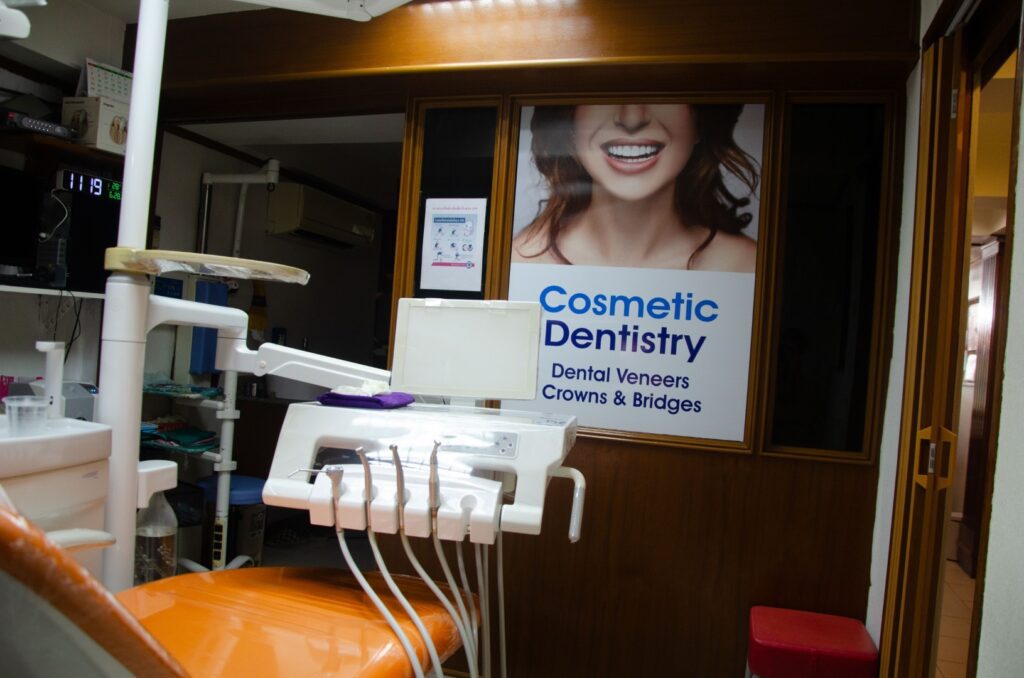
Dentcare Clinic Patong
Together, Dr. Sawika and Dr. Kittikat bring extensive knowledge and a dedication to excellence at Dentcare Clinic. The use of state-of-the-art equipment and adherence to strict sterilization protocols ensure high-quality dental care. The clinic adopts the advanced airflow method for teeth cleaning, providing a gentler and more comfortable experience compared to traditional polishing. Dentcare Clinic offers a …

Transforming Smiles
When it comes to replacing missing teeth, dental implants are widely regarded as the gold standard. But what exactly are they? A dental implant is essentially a small, titanium post that is surgically placed into your jawbone, where it acts as a new, artificial tooth root. Over a few months, the implant fuses with your bone in a process called osseointegration, creating an incredibly strong and stable foundation. A custom-made crown …

Lost a tooth?
In the bustling heart of Patong lies a dental oasis where innovation, expertise, and compassionate care converge—Dentcare Clinic. This esteemed facility stands out, not only for its modern infrastructure and state-of-the-art technology but for its family-led leadership. Spearheaded by the exceptional duo of Dr. Sawika Chontarsatit and Dr. Kittikat, this clinic heralds a legacy of dental prowess and patient-focused service, offering …

Root Canal Treatment: The Foundation of a Healthy, Lasting Smile
Do you ever find yourself subconsciously chewing on one side of your mouth, avoiding your favourite crunchy foods? Perhaps you’ve caught yourself holding back a full-hearted laugh, concerned about the gap in your smile. Losing a tooth, whether through an accident or dental issues, affects far more than just your appearance. It can chip away at your confidence, limit your diet, and impact your overall quality of life…
Vous êtes ici :
Accueil