
Understanding Thailand's three seasons to plan your trip better
Finding the best season to visit Phuket is the first question worth asking. It saves you a lot of disappointment before booking a trip to Thailand. Unlike Europe, the country doesn’t have four seasons, but three main climatic periods that shape the year.
These periods don’t look the same from one region to another. A traveller arriving in Phuket in August will have a completely different experience from someone exploring the mountains of Chiang Mai at the same time. Understanding these cycles helps you avoid unpleasant surprises and choose the right destination at the right time.
These three seasons are dictated by the monsoon, the seasonal wind that changes direction twice a year. This phenomenon shapes the climate across all of Southeast Asia. The ideal period also depends on what you’re travelling for: beach time, mountain trekking or a cultural festival all have their own best season. Here’s what really awaits you on the ground, season by season.
The hot season, March to June
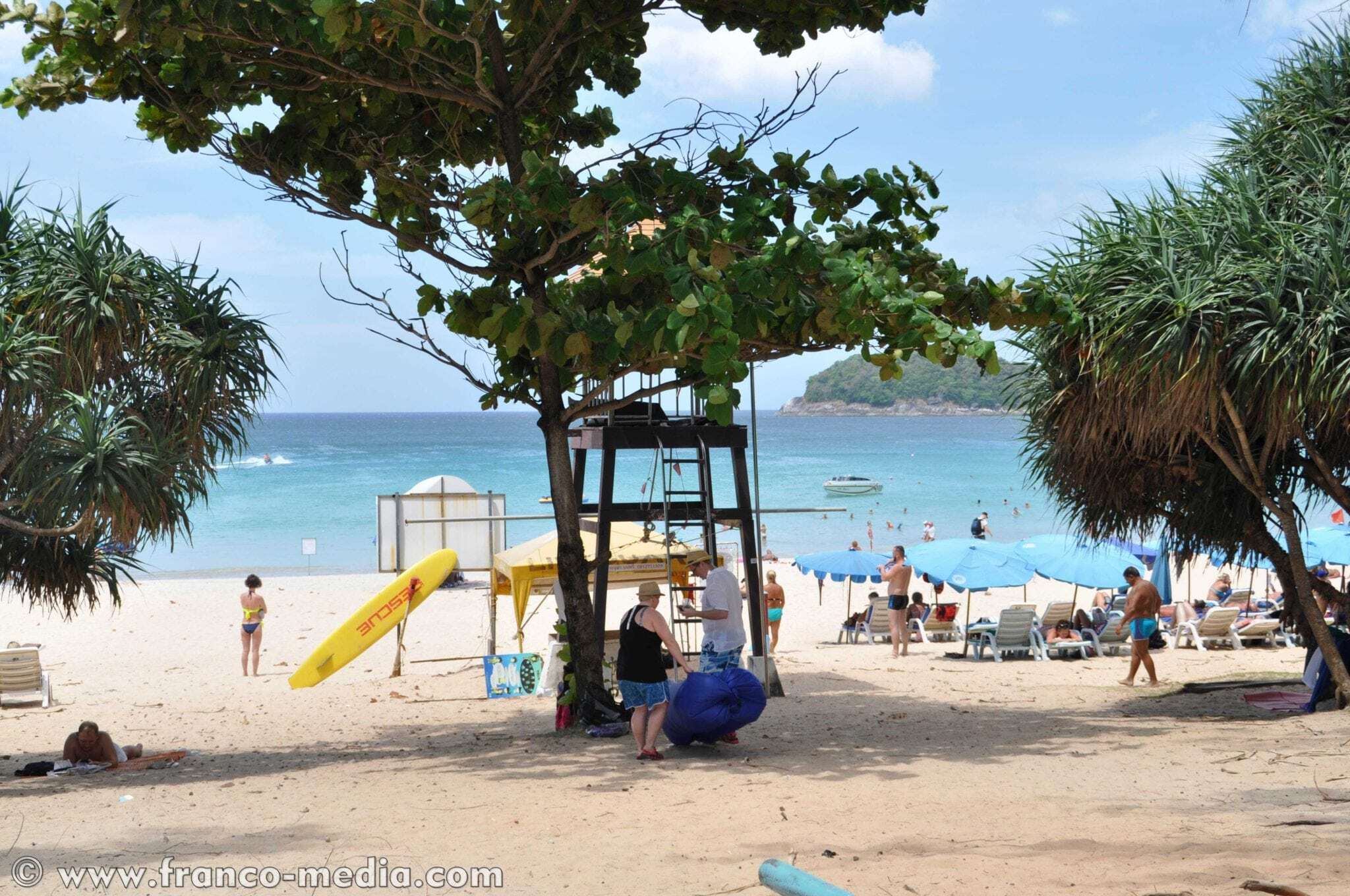
This is the period most beach lovers wait for. In the south, in Phuket, Krabi or Koh Samui, the sky stays clear and the sea is calm, ideal for diving. However, temperatures climb without mercy: 33 to 36°C in the shade. The humidity also makes afternoons particularly heavy, especially in April, the hottest month of the year.
This is also the period of Songkran, the Thai New Year festival in mid-April, when the whole country joyfully splashes water to cool off. In the north, however, this season sometimes coincides with agricultural burning haze, which veils the hills around Chiang Mai. It’s best to favour the south for guaranteed blue skies.
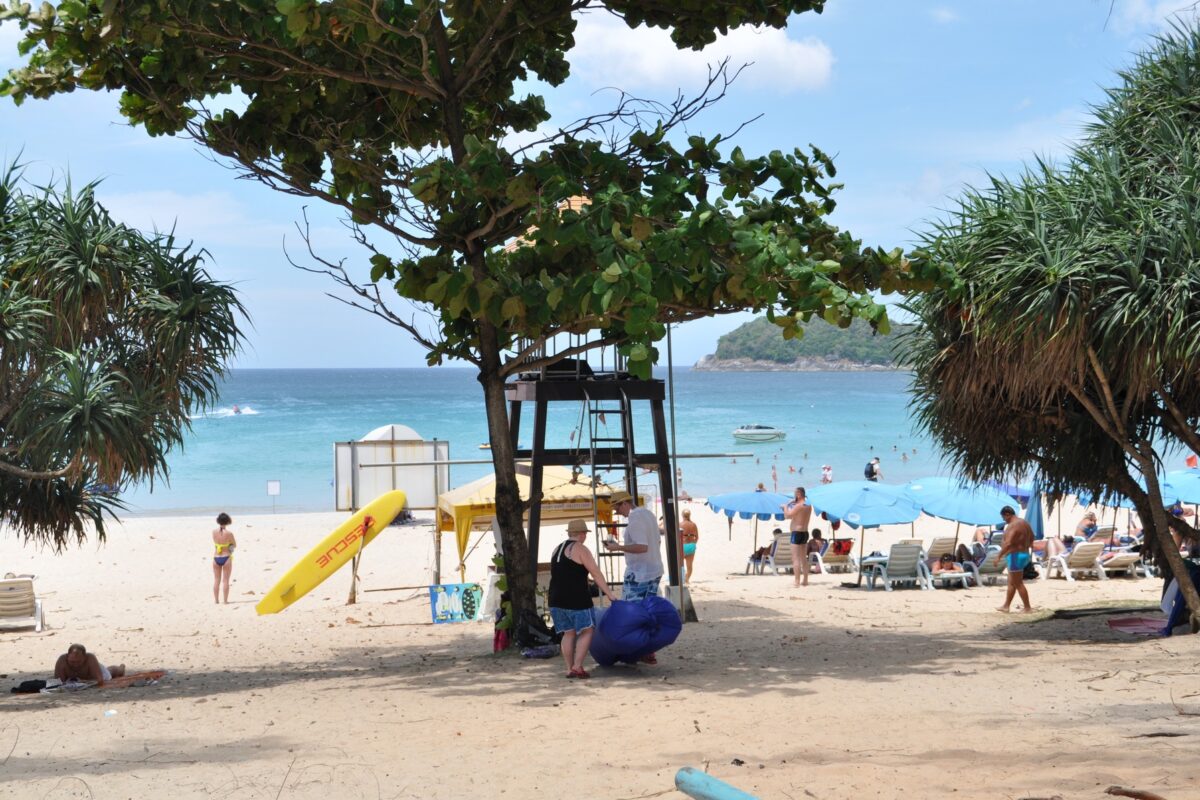
A few snapshots of Kata, one of Phuket’s iconic beaches during the hot season:

The rainy season, July to October
Contrary to popular belief, the Thai monsoon isn’t a season of continuous rain. It shows up instead as heavy downpours, often late in the day. These showers last an hour or two before giving way to clear skies again.
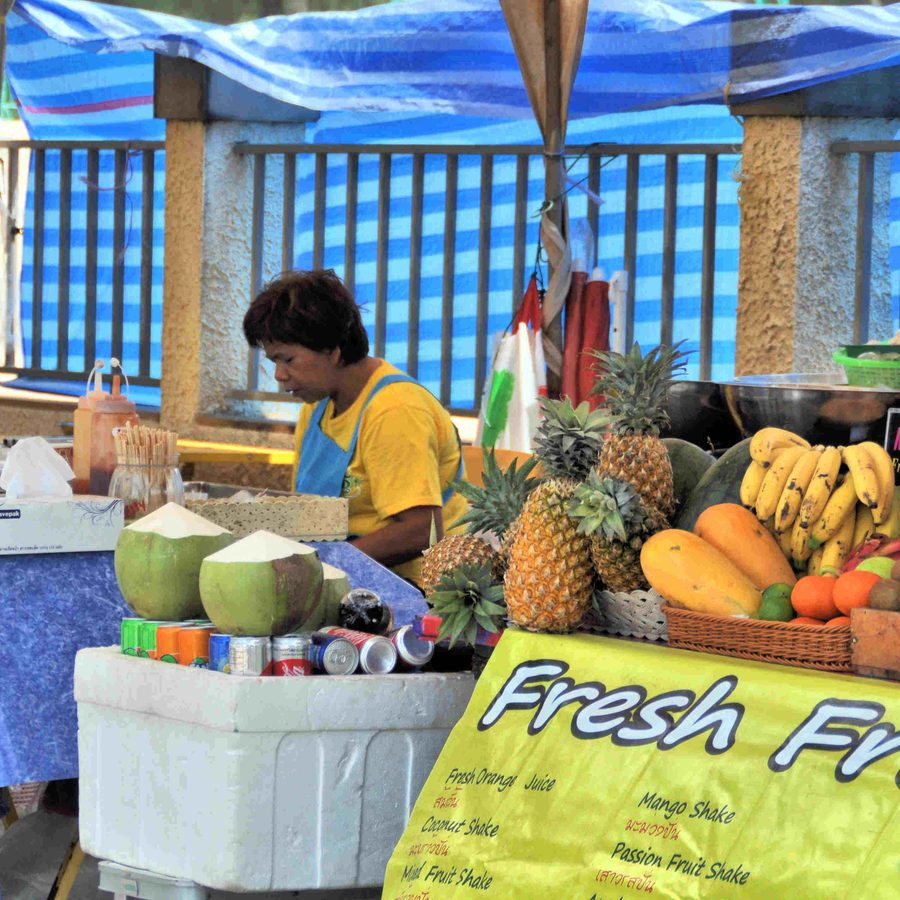
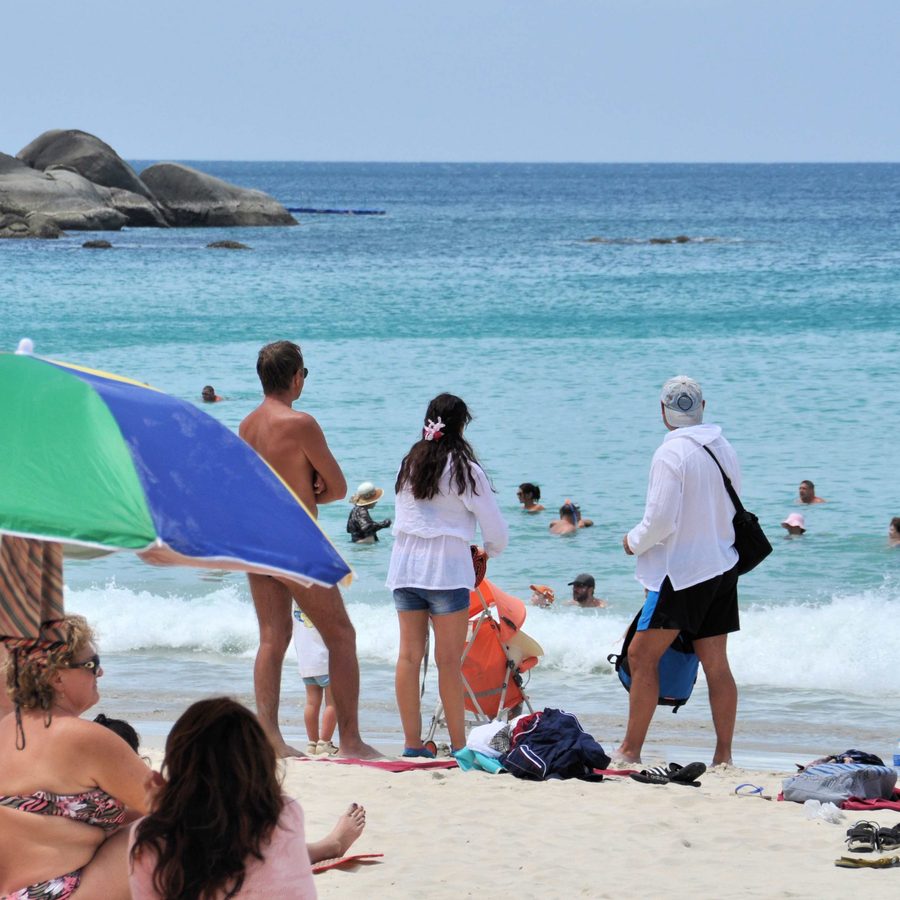
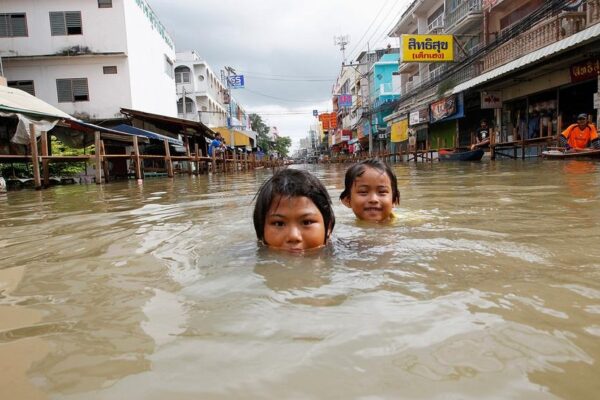
Some streets in Phuket or Bangkok can temporarily turn into small rivers during the storm, as you can see in the photos below. That said, the water usually drains away quickly. This period remains an excellent option for travellers looking for softer rates, and the vegetation is a brilliant, vivid green. You do need to accept a bit of unpredictability, though, along with a sometimes rougher sea on the west coast.

The cool season, November to February
This is the best time to visit Thailand as a whole, and by far the most popular with travellers. The sky is clear and humidity drops. Temperatures become much more comfortable: around 28 to 31°C in the south. Nights are cool, sometimes below 15°C, in the northern mountains. Near Chiang Mai or Chiang Rai, a morning mist beautifully wraps the terraced rice fields.
It’s also the ideal season to combine beach time and trekking in the same trip. It also corresponds to the high tourist season, so accommodation prices climb, and the best-known sites get busier too, especially around the year-end holidays.
What is the best season to visit Phuket?
In short, the best season to visit Phuket mostly depends on what you’re looking for. There’s no bad season to discover Thailand, only a period better suited to your priorities. For a first trip focused on beaches and relaxation, the hot season remains a safe bet. So does the cool season.
For a tighter budget and lush green scenery, the monsoon deserves consideration without excessive worry. And if your itinerary mixes Phuket with the mountainous north, keep one important point in mind: the climate can vary sharply from one region to another at the same time. A good local guide, or a reliable site like ours, is therefore valuable — it helps you adjust your itinerary to conditions on the ground, rather than to climate averages.