How to Choose a Crystal
Everyone will tell you what a stone means. Almost nobody tells you whether the one in your hand is any good
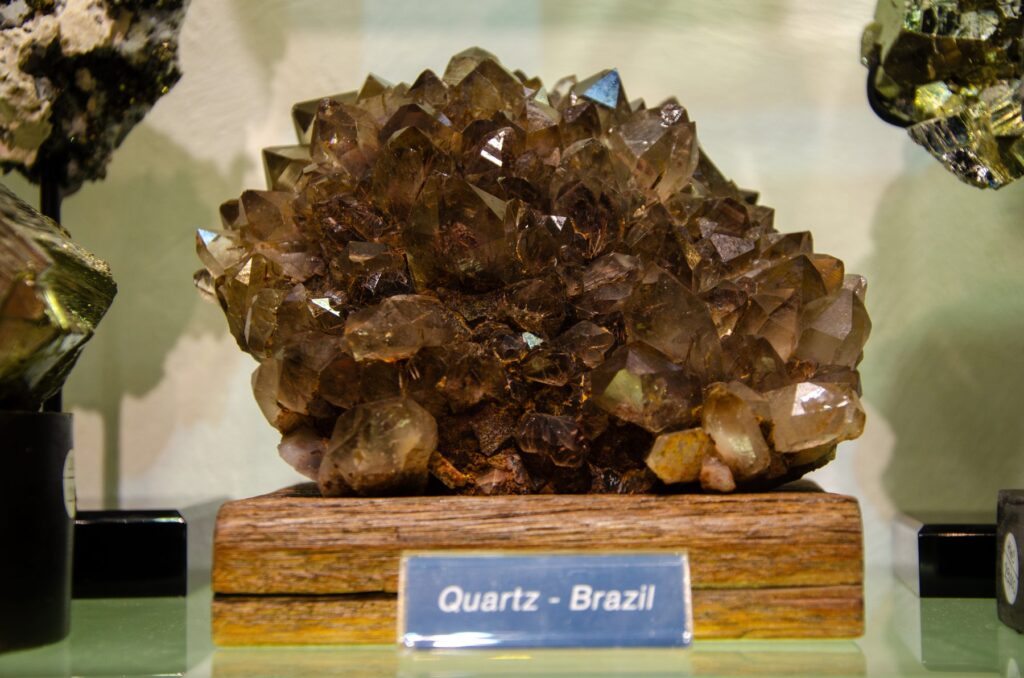
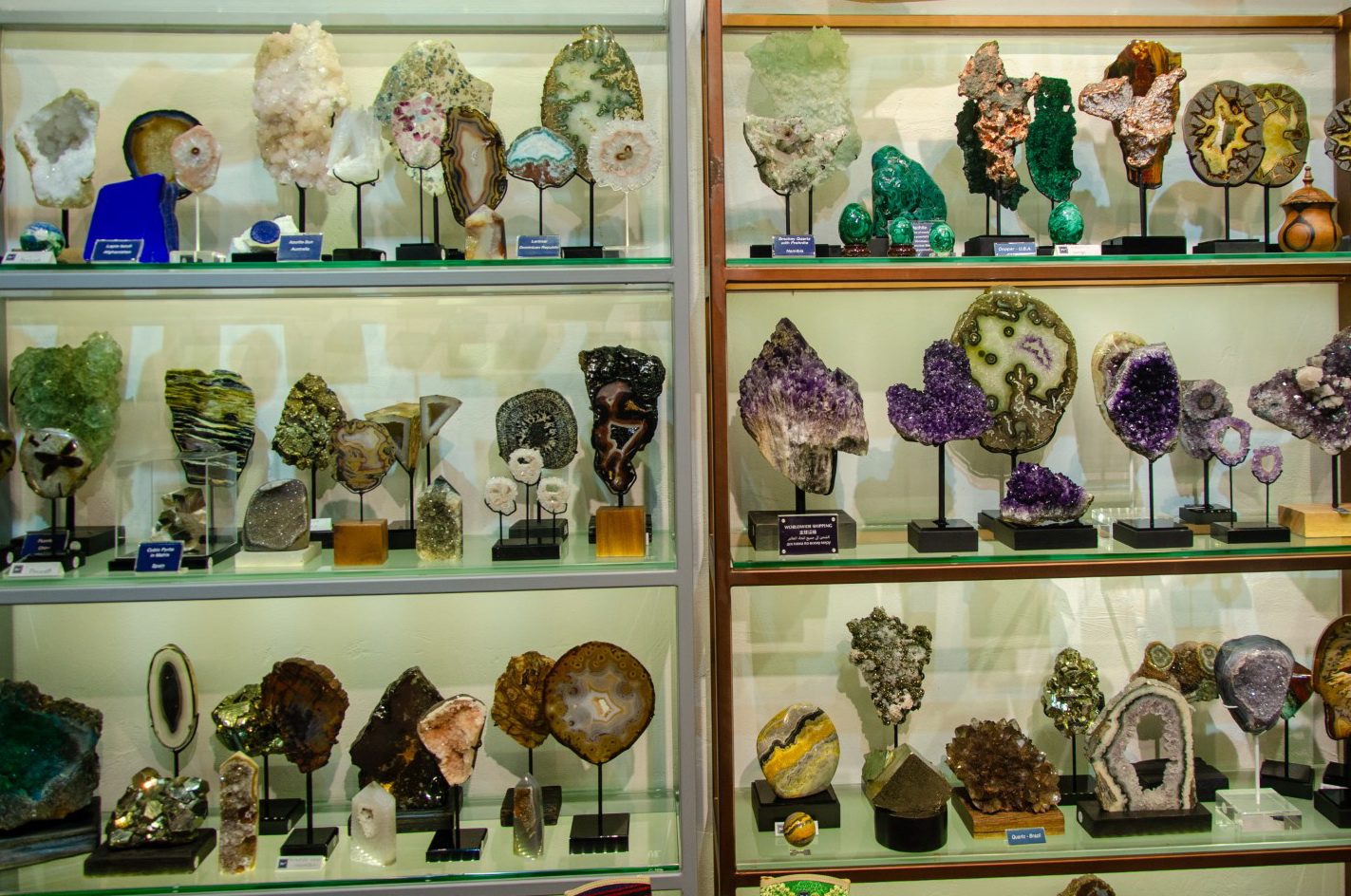
There is no shortage of writing about what each stone is supposed to do for you. There is almost none about whether the specimen you are holding is worth the money. How to choose a crystal is a practical question, and most of the answer comes down to looking at the thing properly for about a minute before you pay for it.
How to choose a crystal that is what it claims to be
One minute of looking
Dyed material is the most common substitution, and it is everywhere in tourist markets. Those vivid blue and magenta agate slices are dyed. That is not a crime when it is disclosed, and it is a problem when it is not. The giveaways are color that pools darker inside the cracks, saturation brighter than anything that occurs in nature, and a sawn edge more vivid than the stone’s interior. Howlite dyed blue and sold as turquoise is the classic case.
Then there is glass. Goldstone, the brown material full of copper glitter, is manufactured glass, and so is opalite. Neither is a fake exactly, but neither is a mineral. Round bubbles mean glass. Natural quartz carries veils, fractures and inclusions, and is almost never flawless.
The treatments that are normal, and the ones to question
Heat treatment is old, widespread and generally accepted. Most citrine on the market is heat treated amethyst. That is the trade standard rather than a scandal, but it should be said out loud by whoever is selling it to you. Heated material tends toward reddish and orange tones and often shows a whitish zone at the base. Naturally colored citrine usually runs paler, sometimes smoky.
Dyeing and resin bonding are the ones to question. Reconstituted stone is powder held together with a binder, and it is sold as the real thing more often than it should be. Ask one direct question: is this natural color. The answer tells you as much about the seller as about the stone.
Reading a geode
The value sits in the crystal face, not in the size of the rock around it. Look at the cut edge and check the depth of the crystal layer. A thin skin of crystal over several inches of gray basalt is a very different object from a deep bed, even if the two look similar from the front.
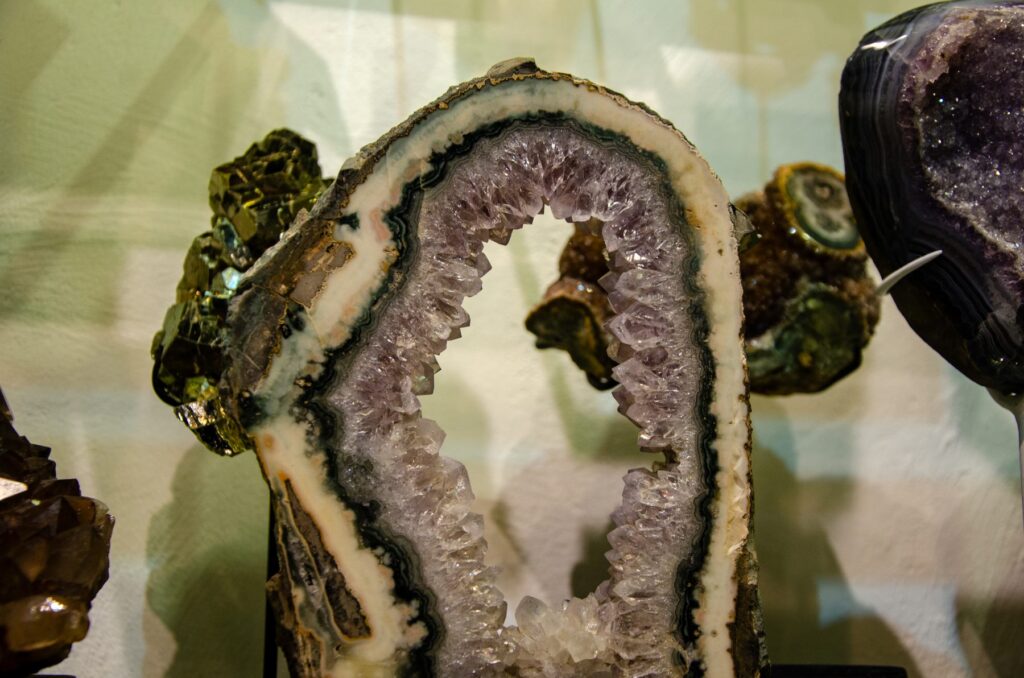
Then look at the terminations. Sharp, intact points are worth more than tumbled or broken ones. Check whether the color is consistent across the whole face or concentrated in one patch. Look for glue at the base and for drill marks, because repairs and reinforced bases are common and are perfectly acceptable when the seller mentions them first. And always look at the piece from the side. A great many geodes are photographed only from directly in front.
Where it came from, and why a dealer should know
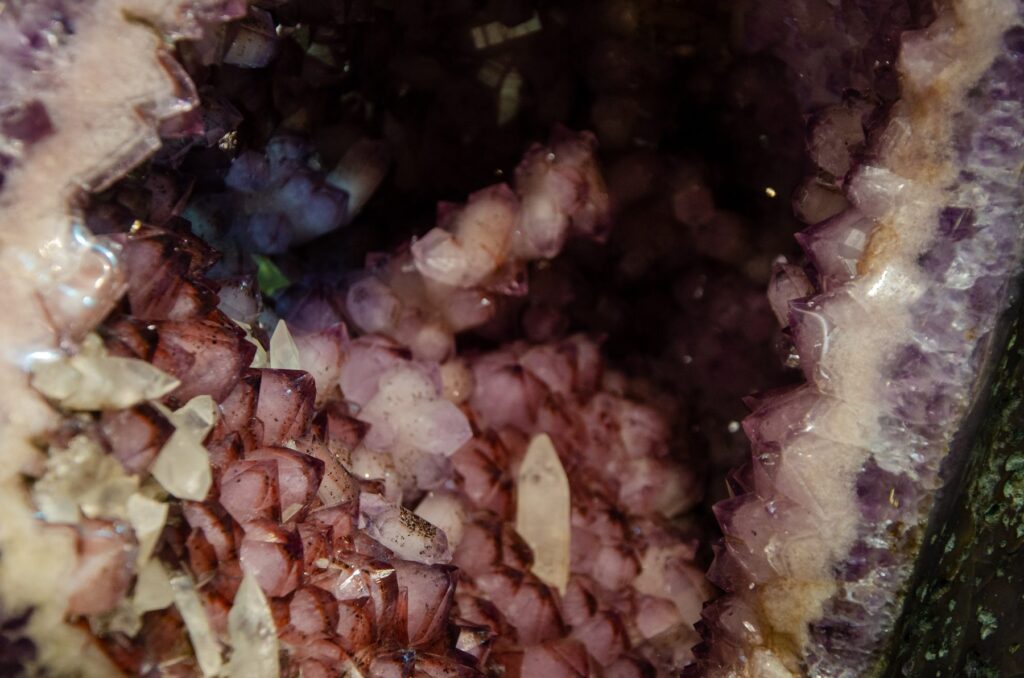
Origin is not snobbery, it is a description of what you are buying. Uruguayan amethyst tends to be darker, with smaller, tighter crystals. Brazilian amethyst tends to be lighter in tone with larger formations. Neither is better. They are two different looks at two different prices, and a buyer deserves to know which one is in front of them.
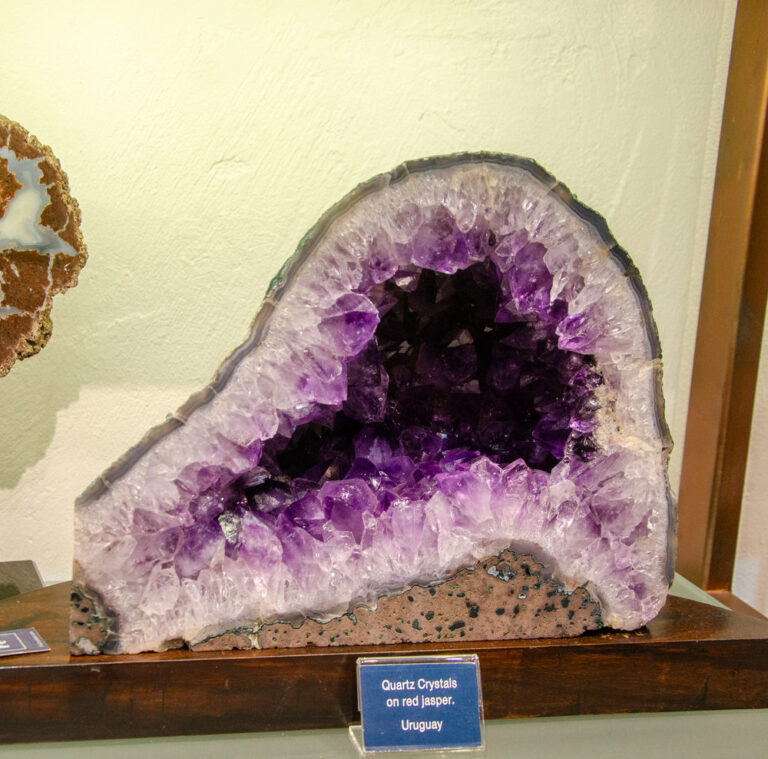
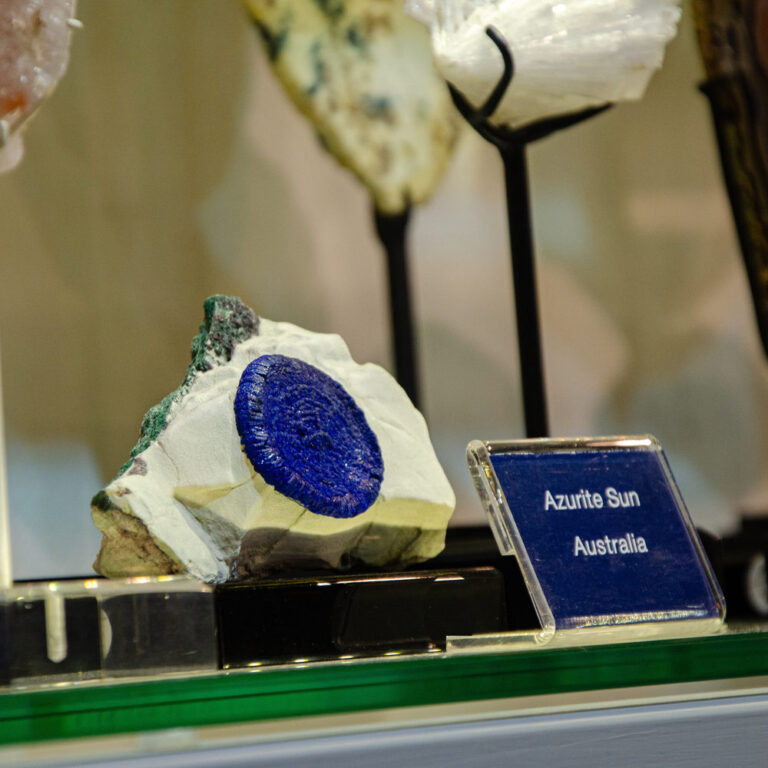
A seller who can name the country, and sometimes the mine, is telling you their supply chain is real. A seller who waves vaguely at “Asia” is selling whatever came in the last container. The Fe2 Crystals gallery at Porto de Phuket sources across several countries and mounts pieces to order, which is the kind of operation where those questions get a straight answer.
Keeping it looking the way it did in the gallery
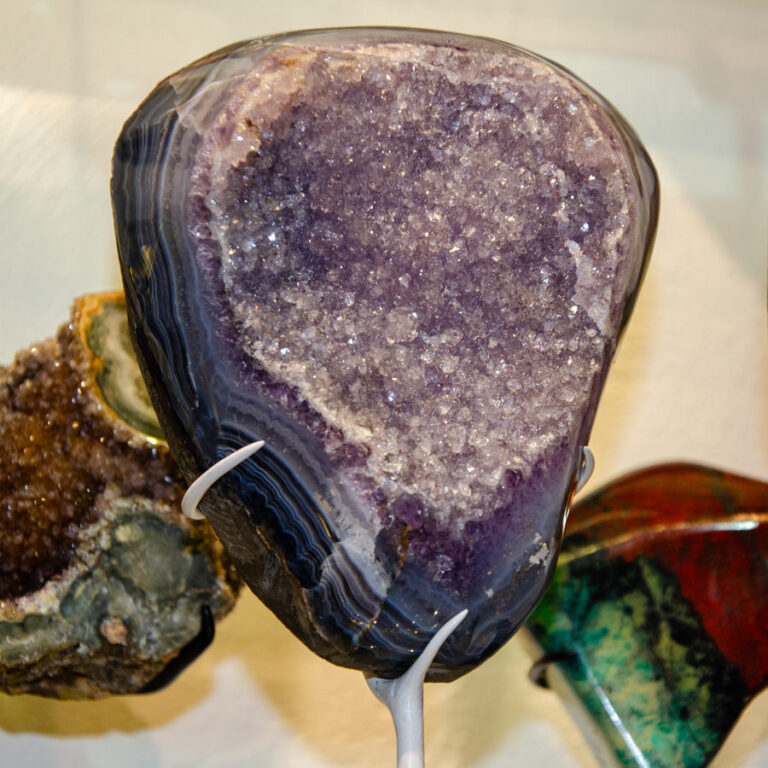
Dust is the real enemy, and a druzy surface cannot simply be wiped. Brush it dry with something soft, or blow it clean. Water is fine for quartz and agate and wrong for selenite, which is soft enough to scratch with a fingernail and will dissolve at the surface.
Sunlight is the other one. Amethyst, rose quartz, fluorite and celestite all fade under months of direct sun, and the color does not return. Bright indirect light keeps a stone looking the way it looked when you bought it. One more thing: resist testing hardness by scratching something you like.
Handle Them Yourself
None of the above works from a photograph. Depth, color saturation and the sharpness of a termination are things you judge in person, in a minute, once you know what you are looking at.
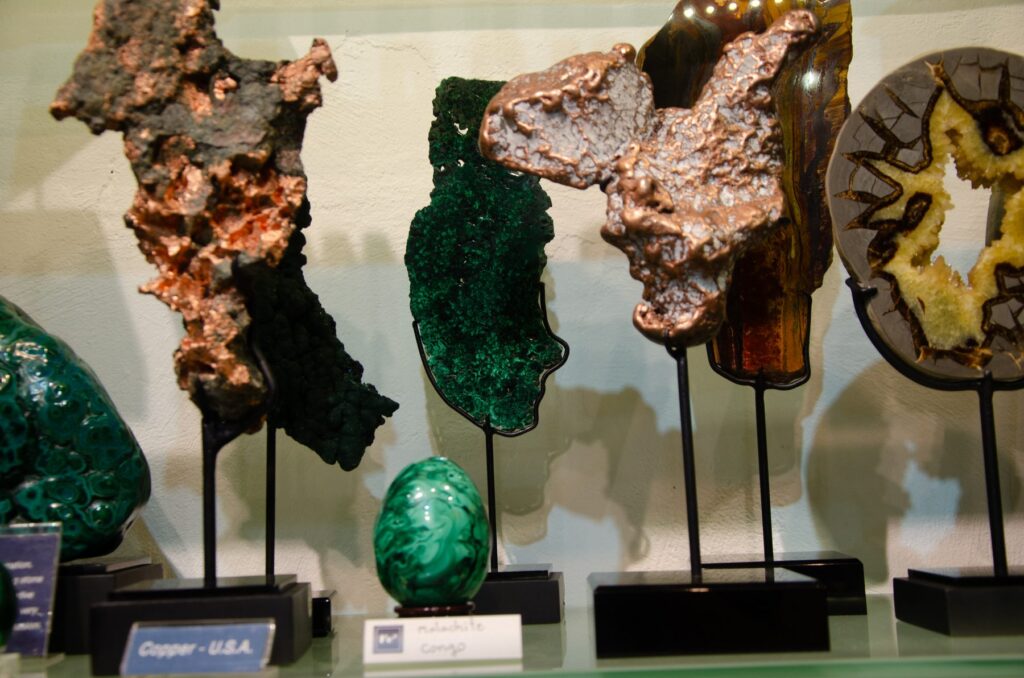
Where to find them
Fe2 Crystals is at Porto de Phuket, on Baandon Pasak-Koktanod Road in Choeng Thale, Thalang. If you want the other half of the subject, what the stones are traditionally associated with, their own piece on the meaning of the stones covers amethyst, jade, pyrite and the rest. Our Shopping section has the island’s other galleries and stores.
Contact: +66 (0) 81 838 8749, by phone or WhatsApp, or at fe2crystals.com.