The quiet sustainability behind every table at Albatross Café
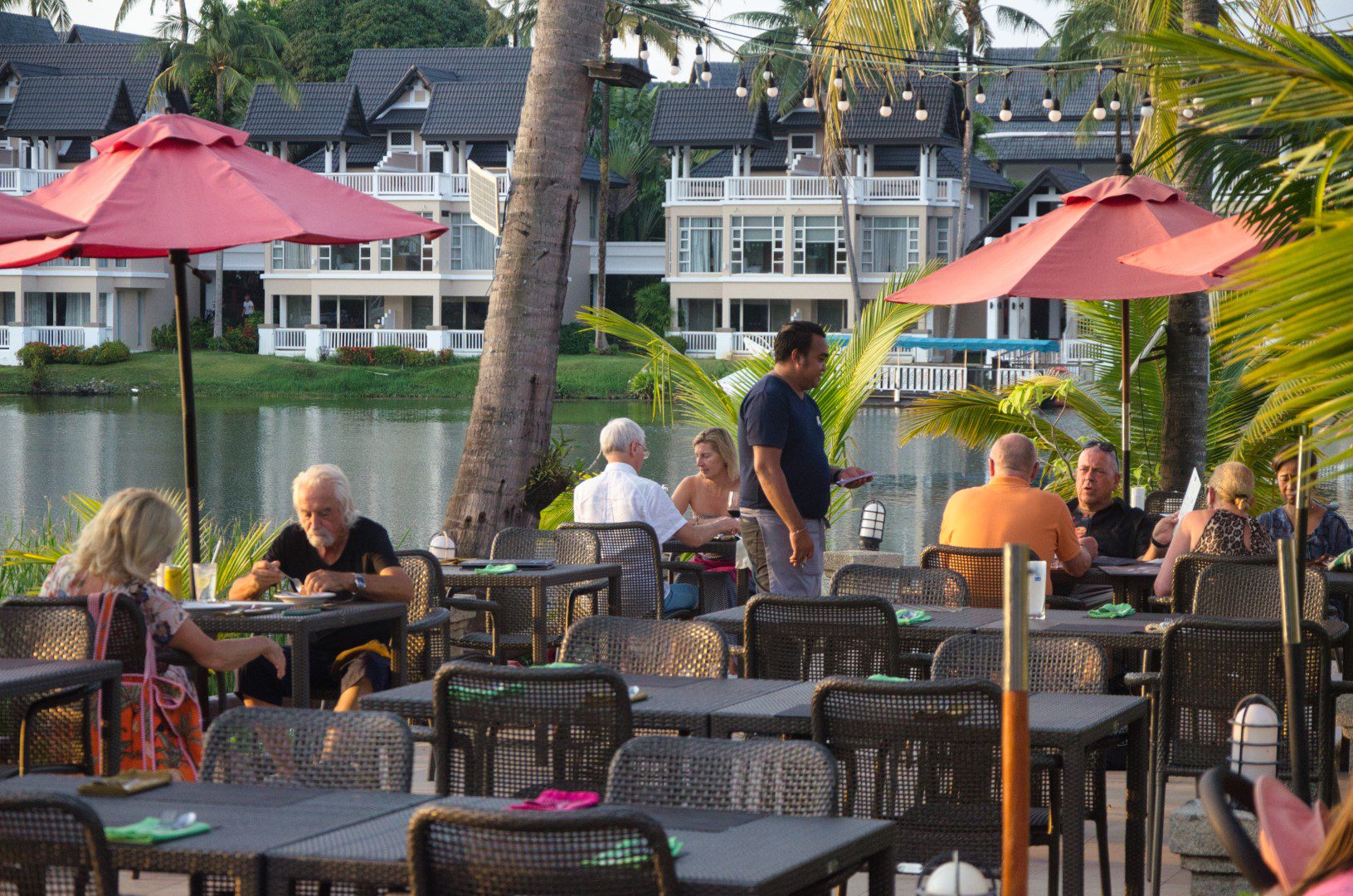
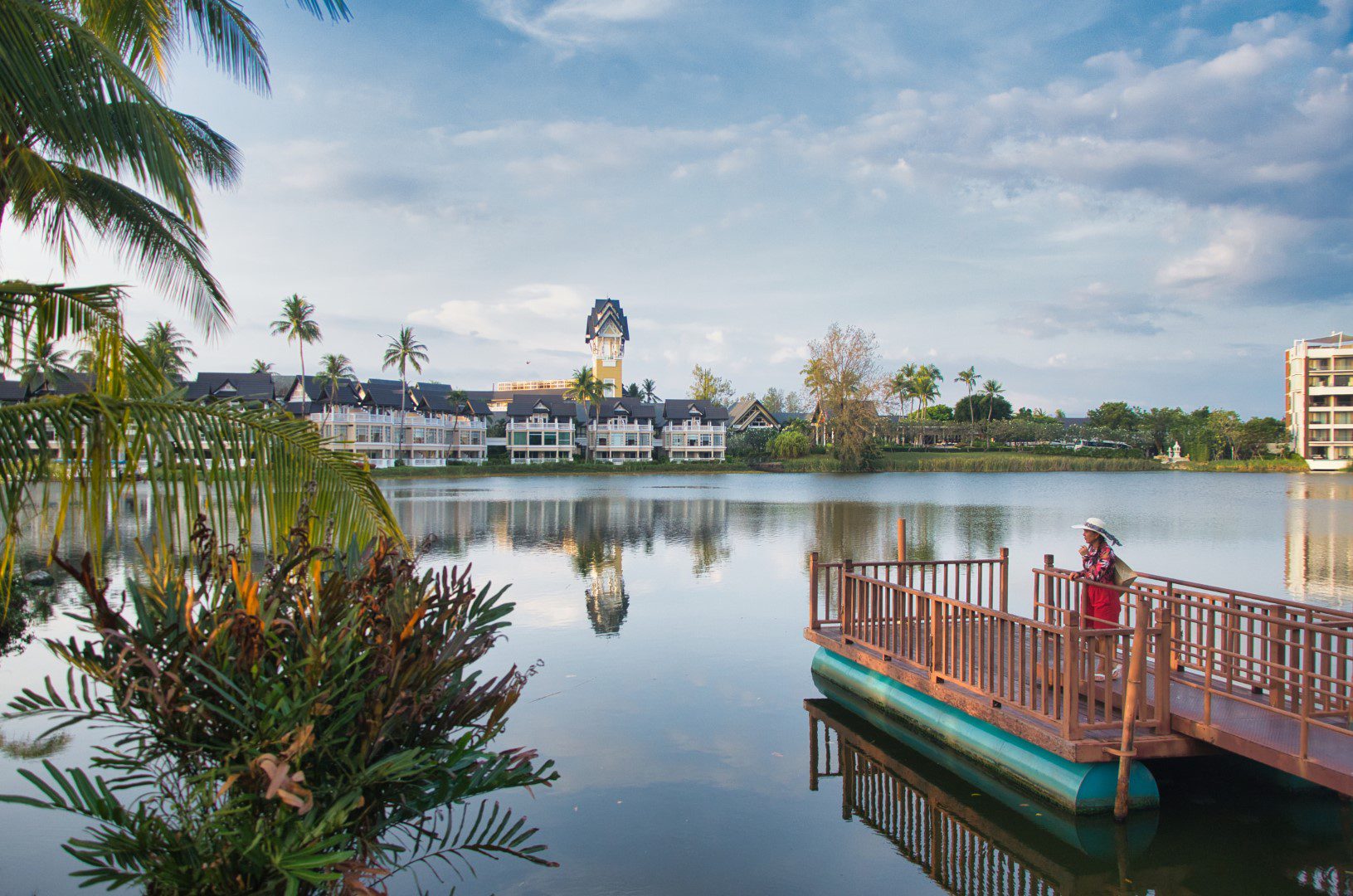
Sit at Albatross Café as the afternoon light softens over the lake, and it is easy to notice the obvious things first, the water, the trees, the easy pace of a lakeside terrace in Laguna Phuket. What takes a little longer to notice is how much thought has gone into keeping that setting exactly as it is, table by table, choice by choice.

Start with what lands in front of you. Every drink at Albatross Café now comes with a metal or paper straw, plastic ones have been quietly phased out altogether. Ask for water and it arrives in a reusable glass bottle rather than a single use plastic one, a small change that adds up fast in a restaurant that serves guests every day of the week. Neither choice asks anything of you as a guest, they simply remove a habit that never needed to exist in the first place.
Behind the kitchen, the same thinking continues. Organic waste at Albatross Café is composted rather than sent straight to landfill, which does two things at once, it keeps the restaurant’s overall rubbish lighter and drier, and it feeds back into the ground the café sits on. Look up from your table toward the terrace and you will see where some of that compost goes, the coconut trees that shade the lakeside seating are visibly healthy, a result the team puts down to that compost, the fresh air off the lake, and consistent watering. It is a small, visible loop, waste becoming soil becoming shade, playing out a few metres from where you are sitting.
Much of what reaches your plate has not travelled far either. Most of the food served at Albatross Café is sourced from within ten kilometres of the restaurant, a deliberate choice that supports the local communities supplying it and cuts down on the transport and handling that longer supply chains require. For a guest, that mainly means freshness, for the wider community around Canal Village, it means the café’s daily ordering has a direct, local effect rather than routing money and produce through distant suppliers.
Above the terrace, solar panels quietly do their part. Phuket has no shortage of sun, and Albatross Café draws on that abundant resource to reduce how much of its energy comes from the grid, lowering the restaurant’s carbon footprint in the process. It is not a dramatic gesture so much as a practical one, using what the island already provides in plentiful supply.
The next step is still on the way rather than finished. Albatross Café is currently working on a plan to encourage its own staff to get to work by bike, e-bike, on foot, or by sharing rides, rather than each driving in separately. It has not been rolled out yet, but it points to where the restaurant’s thinking is headed, treating sustainability as something that extends to how the team gets to the lake each morning, not only to what happens once they arrive.
None of this changes what a visit to Albatross Café actually feels like, the lake is still there, the shade is still generous, the pace is still unhurried. What changes, once you know to look, is how much of that experience rests on decisions made quietly and consistently behind the scenes, from the straw in your glass to the trees over your head.
It is also worth noticing that none of these choices are presented as a headline feature of the café. There is no large sign announcing the solar panels or the compost heap, no menu note explaining the ten kilometre sourcing radius. They simply sit underneath the everyday experience of the terrace, doing their work whether or not a guest ever asks about them. For anyone who does ask, the answer tends to be a straightforward one, that running a lakeside restaurant in Laguna Phuket responsibly is less about grand statements and more about a long list of small, consistent choices, repeated every service, every day.
That approach suits the setting. A lake this calm and trees this healthy are not accidents, and Albatross Café’s quieter sustainability habits are part of what keeps them that way for the guests who return year after year to the same tables under the same shade.