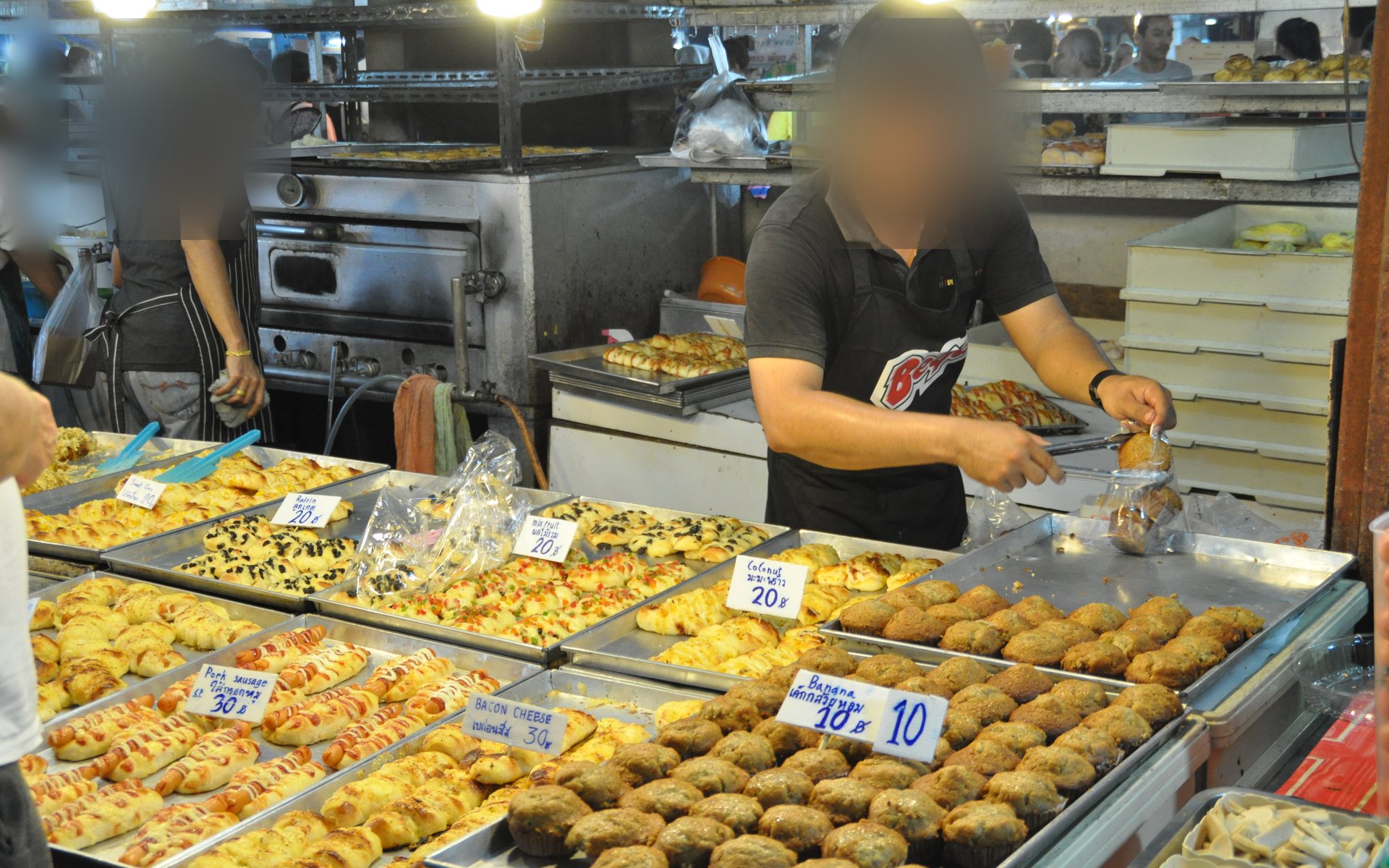
Twenty-three of them, and the whole island treats you differently
They will not let you hold a conversation, but they will change the temperature of every transaction you have here, from the market to the hospital.
-
23Thai words and phrases
-
About two daysof effort
-
Rough guidesnot a system
Before you start
Thai is tonal, so the same syllable said at a different pitch means something else entirely. The respellings below are rough guides, not a system.
The politeness ending
Start with the one that matters most. Thai attaches a politeness particle to the end of almost every sentence, and it differs by the speaker’s own gender rather than the listener’s.
Khrap
Men say it whoever they are talking to.
Kha
Women say it drawn out, holding the sound a little longer.
It depends on the speaker’s own gender, not the listener’s.
Leaving it off is the single most common way a well-meaning visitor sounds rude.
Everything below assumes you are adding it.
Use it constantly. Add khrap or kha to every phrase in this course, starting with your next sentence.
Greetings and thanks
Sawasdee
One word for all of them, at any hour.
Khop khun
Mai pen rai
It is the most Thai phrase there is, and the right answer to almost any small inconvenience.
Kho thot
Sabai dee mai
The answer is sabai dee, “sa-buy dee”.

Greet someone with sawasdee khrap or sawasdee kha, the standard greeting you will hear a hundred times a day.
Yes, no, and not wanting things
Thai usually answers by repeating the verb rather than saying yes or no. These four still earn their place.
Chai
Mai chai
Mai ao
Said with a smile, it is polite, final and understood immediately.
Mai khao jai
It is worth more than pretending you do.

Next time someone sells you something on a beach, answer mai ao with a smile. It works better than an English refusal, which tends to be read as the opening of a negotiation.
Money and markets
Bargaining has its place: at a market stall, not in a shop with price tags.
Tao rai
Phaeng pai
At a market stall it is a normal, expected and entirely unoffensive thing to say.
Lot noi dai mai
This is the polite version of haggling.
Numbers are worth learning at least to ten, but a calculator or a phone screen settles most of it.
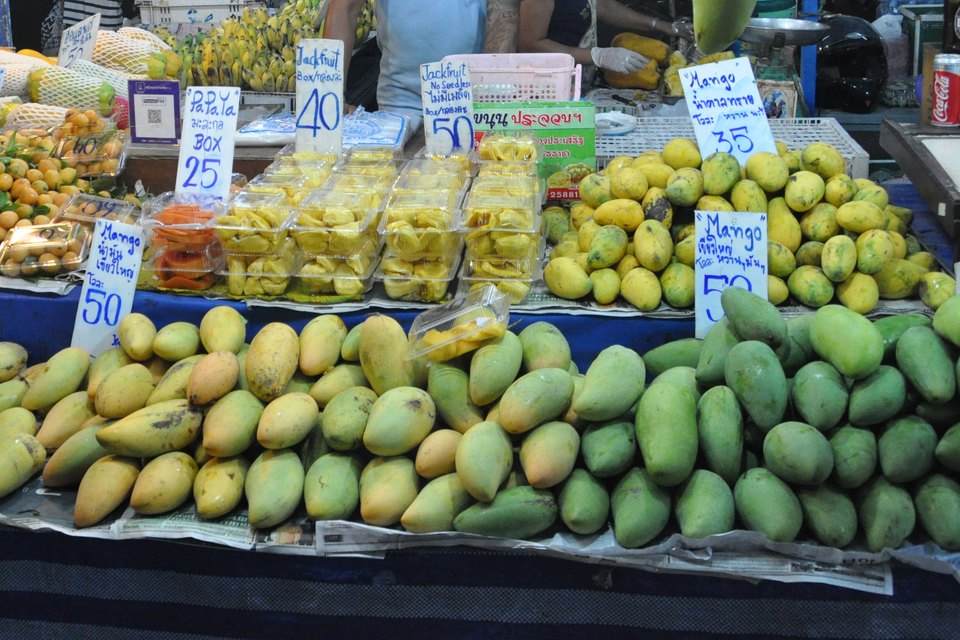
Ask tao rai at the next market stall, and try lot noi dai mai if the price feels high.
Food, which is where it pays off most
Aroy
Say it and you will make a cook’s day.
Mai phet
Phet nit noi
This is the calibration most visitors want, but a Thai kitchen’s idea of a little is not a European one.
Nam plao
Mai sai nam tan
It matters more than you would think, because sweet is the default in drinks here.
Kep tang duay

Order your next drink with mai sai nam tan, and tell the cook aroy.
Getting around, and one last thing
Pai
Say pai followed by a place name, and it gets you into a vehicle heading there.
Yut thi ni
Hong nam yu thi nai
It is the phrase you will be most grateful for.

The wai
The last one is not a phrase. The wai, the slight bow with palms together, is returned rather than initiated by a visitor in most situations, and is never returned to children or to service staff who have offered it first out of duty. Our notes on local customs and traditions cover when it is appropriate, and the Thai culture section covers the rest.
Next time you take a ride, say pai and the name of the place.
The respellings above ignore tone, which Thai depends on. Expect to be misunderstood sometimes, say it again, and let people correct you. They will, and they will be pleased to.